What is it like to get Ocrevus treatment for PPMS in Hungary? In this post, I share my experience with my first treatment—how it happened, what you can expect, and most importantly, what nobody prepared me for.
Because I have Primary Progressive Multiple Sclerosis (PPMS), I receive Ocrevus treatment. At the moment, this is the only available medication for this type of MS.
The Official Picture and Reality
In Hungary, the official position is that MS treatment takes place in National MS Centers. Besides neurologists, these centers should also provide physiotherapists, MS nurses, and psychologists for long-term care.
The reality is different: an old building, overworked staff, and conditions that are not worthy of patients. In the public healthcare system, I met an MS doctor and an MS nurse, but I see a physiotherapist and a psychiatrist privately.
I can communicate with my MS specialist in person, by phone, and by email. I arranged my treatment appointment with the MS nurse by phone.
Making the Appointment – Just Another Tuesday Morning
I had my diagnosis, and we discussed the treatment plan. Before starting treatment, I needed some blood tests. After that, I arranged the appointment with the nurse.
The nurse prescribed the medication. I picked it up from the pharmacy and took it with me.
Important: The medication must be kept in a refrigerator.
There are two ways to receive Ocrevus: by intravenous infusion or as an injection in the stomach area. The intravenous treatment takes about six hours, while the stomach injection takes around 2.5 to 3 hours. Of course, I chose the stomach injection.
I agreed with the nurse that we would talk on the phone before the treatment. Just my luck—she was on holiday. I thought it would be fine and that I would simply go in the next day and get it done.
Well… what I expected and what actually happened were two completely different things.
When I arrived, the treatment nurse had no idea that I was coming. I accepted it quite calmly because confusion in healthcare is completely normal here. As we say: “Just another Tuesday morning.”
How Does Ocrevus Treatment Work?
I had no idea what was going to happen. I didn’t understand why an injection treatment would take almost three hours. Then I found out.
The treatment included these steps:
- Blood pressure measurement
- Blood test
- Steroid injection
- Anti-inflammatory medication through an IV
- One hour of rest
- Ocrevus injection in the stomach area
- Blood pressure measurement
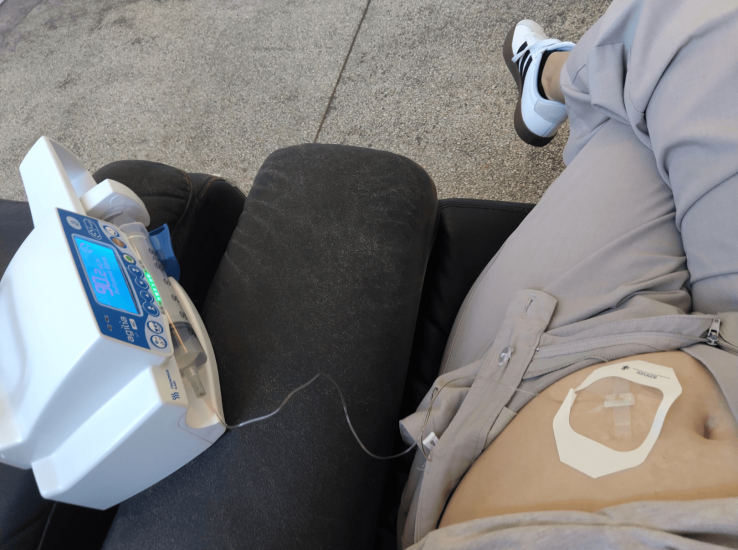
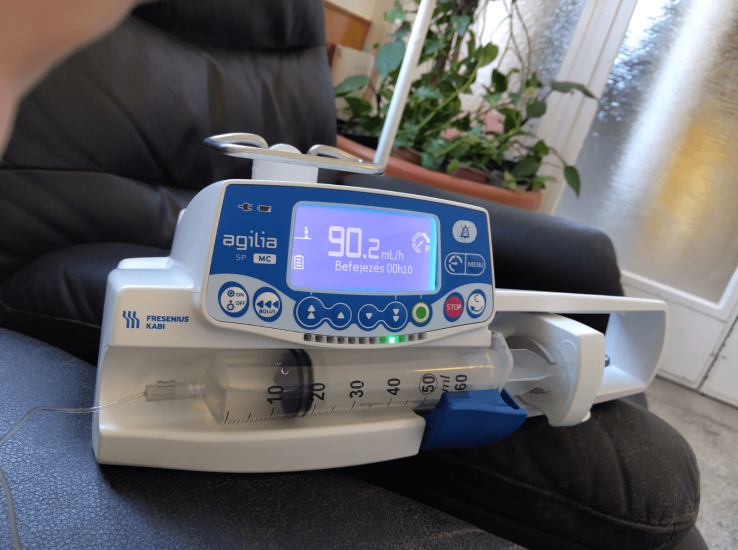
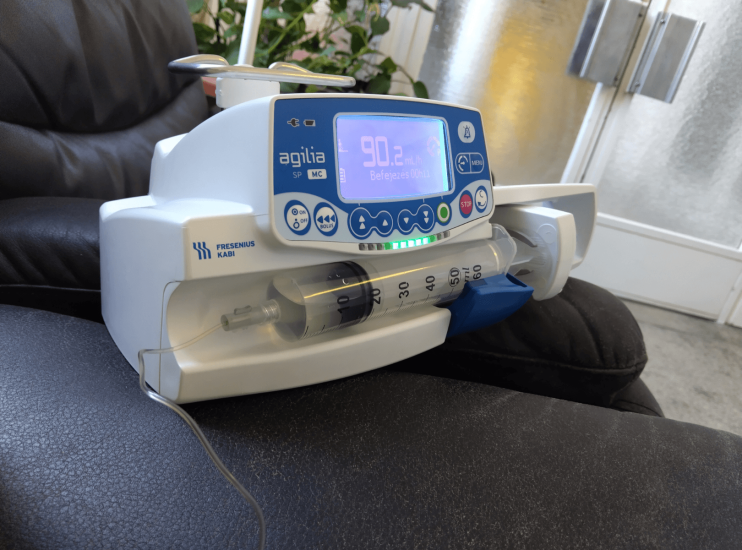
The Ocrevus was given with a special device that delivered the medication continuously for 15 minutes.
I received the steroid injection in the changing room. The nurse didn’t want to give it to me in the corridor because the injection had to go into my buttock.
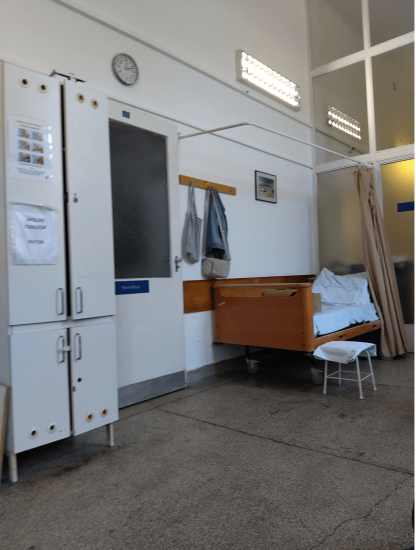
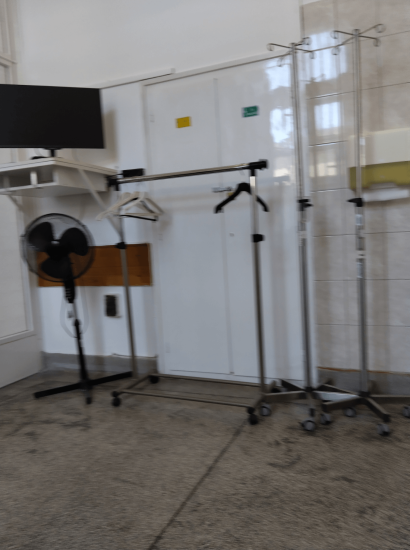
The treatment took place in the corridor of the hospital ward. One part of the corridor had been separated off, and that was where we patients sat and received our treatment.
In total, the whole process took about three and a half hours.
Side Effects and What I Would Tell Myself Now
I didn’t have any major side effects. The skin on my stomach became slightly inflamed, but that was all.
Important: Rest after the treatment, at least for a week.
Don’t do what I did. After my second treatment—yes, I’ve already had that too—I exercised the next day. Afterwards, I became so weak that I couldn’t even walk to the bus stop, which is only about 100 metres away.
I receive this treatment every six months. During the treatment, my MS doctor also comes by, asks how I am doing, and we arrange the date of my next check-up.
I have attached a few photos so you can see the device used to give the medication and the conditions in which we receive our treatment. The photos are not the best quality—sorry. I hate taking pictures, and it definitely shows.
What I Really Miss: Information
What I miss most in the Hungarian healthcare system is communication and information.
Healthcare professionals often act as if patients should already know everything—for example, what a test includes, how a treatment works, and what we should expect.
I’m sure you can find this information online if you spend enough time and energy looking for it. But first, I’m a bit of a boomer and I grew up without the internet, so searching online is not my first instinct. Second, I don’t know if treatment is done the same way everywhere, especially after my own experience described above.
If you would like to know what symptoms I had, you can read about them here.
If you are curious about the tests I went through before receiving my diagnosis, I recommend this post.